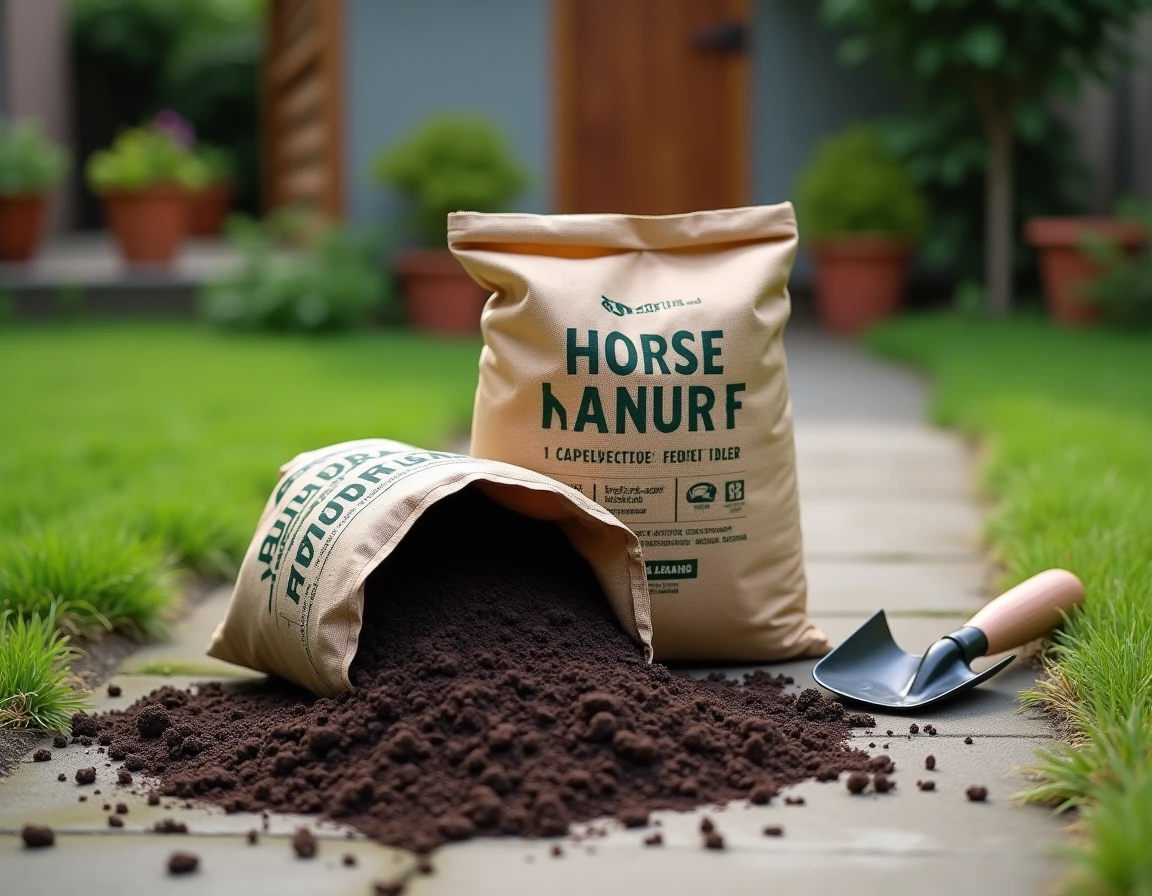
Lidl’s horse manure comes in a dehydrated form, packaged in a bag. This format radically changes the game compared to raw manure collected from an equestrian center: the dehydration process reduces the load of weed seeds, concentrates nutrients, and stabilizes organic matter. We recommend clearly distinguishing this type of product from fresh manure, as the application methods differ on technical points that most gardening guides overlook.
Lidl’s dehydrated horse manure: decoding the labeling and quality control
A dehydrated manure sold in supermarkets does not have the same profile as composted manure made artisanally. Industrial drying eliminates a large portion of pathogens and reduces volume, but it also alters the carbon/nitrogen ratio of the final product. We observe that this nuance escapes the majority of content available online.
Reading the label on the bag remains the first technical step. Three pieces of information deserve particular attention: the mention “suitable for organic farming,” the list of raw materials (pure manure, straw-manure mix, shavings), and the declared content of nitrogen, phosphorus, and potassium. Dehydrated horse manure generally shows a modest NPK, confirming its role as an organic amendment rather than a strict fertilizer.
The issue of weed seeds is a concrete control point. Fresh, uncomposted manure can introduce stubborn weeds into your growing beds. The high-temperature dehydration process reduces this risk, but does not eliminate it entirely. Checking for a “heat-treated” mention on the packaging provides a reliable indication.
To compare Lidl’s horse manure price on Conseil Jardinage with other market references, cross-referencing NPK labels and treatment conditions remains the most rigorous method.
Nutrient release speed and impact on soil life
A dehydrated manure does not release its nutrients at the same rate as composted manure. Rehydration upon contact with the soil triggers a resumption of microbial activity, but this secondary decomposition phase takes several weeks. In practical terms, plants do not benefit from an immediate nutrient supply.
This delay has a direct consequence on the application schedule. An application in spring, just before planting, will have only a limited effect on short-cycle crops (radishes, lettuces). Dehydrated horse manure finds its best effectiveness when incorporated in autumn or late winter, allowing time for microorganisms to transform the organic matter into assimilable humus.
Comparison with composted manure from garden centers
Composted manures sold in garden centers have already undergone advanced biological transformation. Their organic matter is more stable, and their nutrient release is faster after spreading. Lidl’s dehydrated manure, on the other hand, occupies an intermediate position between fresh manure (too aggressive for direct use in spring) and mature compost (more immediately available for roots).
This intermediate position is an asset for heavy, clayey soils. The still partially decomposed fibrous fraction improves drainage and porosity, where very mature compost would provide little physical structure. In sandy soils, however, well-decomposed compost will be more effective at retaining water.
Lidl’s horse manure and living soil approach: technical instructions
Practices oriented towards “living soil” prioritize no-till and surface applications. Incorporating with a tiller, often recommended in classic guides, disrupts the biological stratification of the horizons. With dehydrated manure, two strategies coexist.
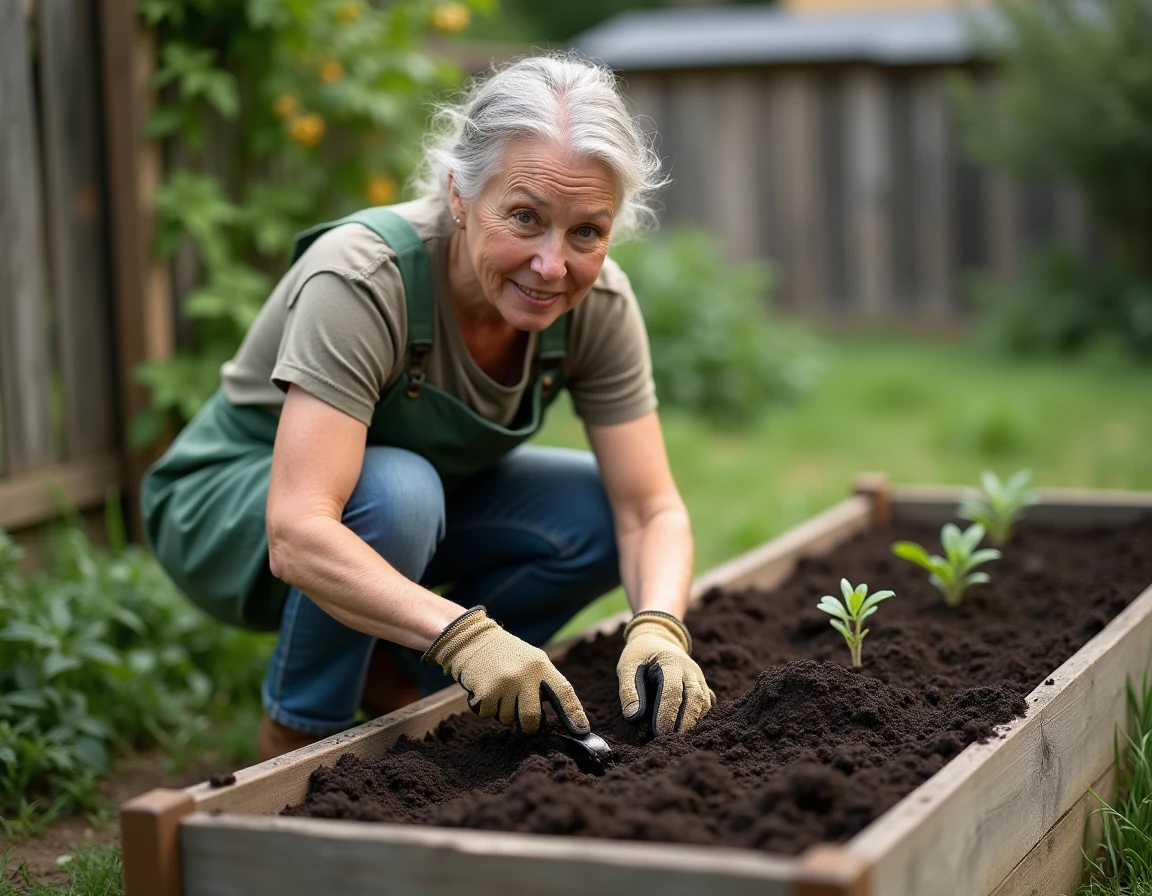
- As surface mulch (a layer of a few centimeters), the manure decomposes slowly thanks to the activity of earthworms and saprophytic fungi. This method preserves soil structure and nourishes the epigeal fauna.
- With light incorporation using a broadfork (in the top ten centimeters), decomposition accelerates due to direct contact with aerobic microorganisms. This approach is better suited for compacted soils that lack biological activity on the surface.
- In pre-composting before spreading: mixing rehydrated dehydrated manure with green waste for a few weeks produces a more homogeneous amendment richer in diverse microorganisms.
The choice between these three methods depends on the initial biological state of the soil. A soil already rich in earthworms and organic matter will benefit more from surface mulching. A soil depleted by years of intensive cultivation will require incorporation to restart the decomposition cycle in depth.
Which garden crops benefit most from horse manure
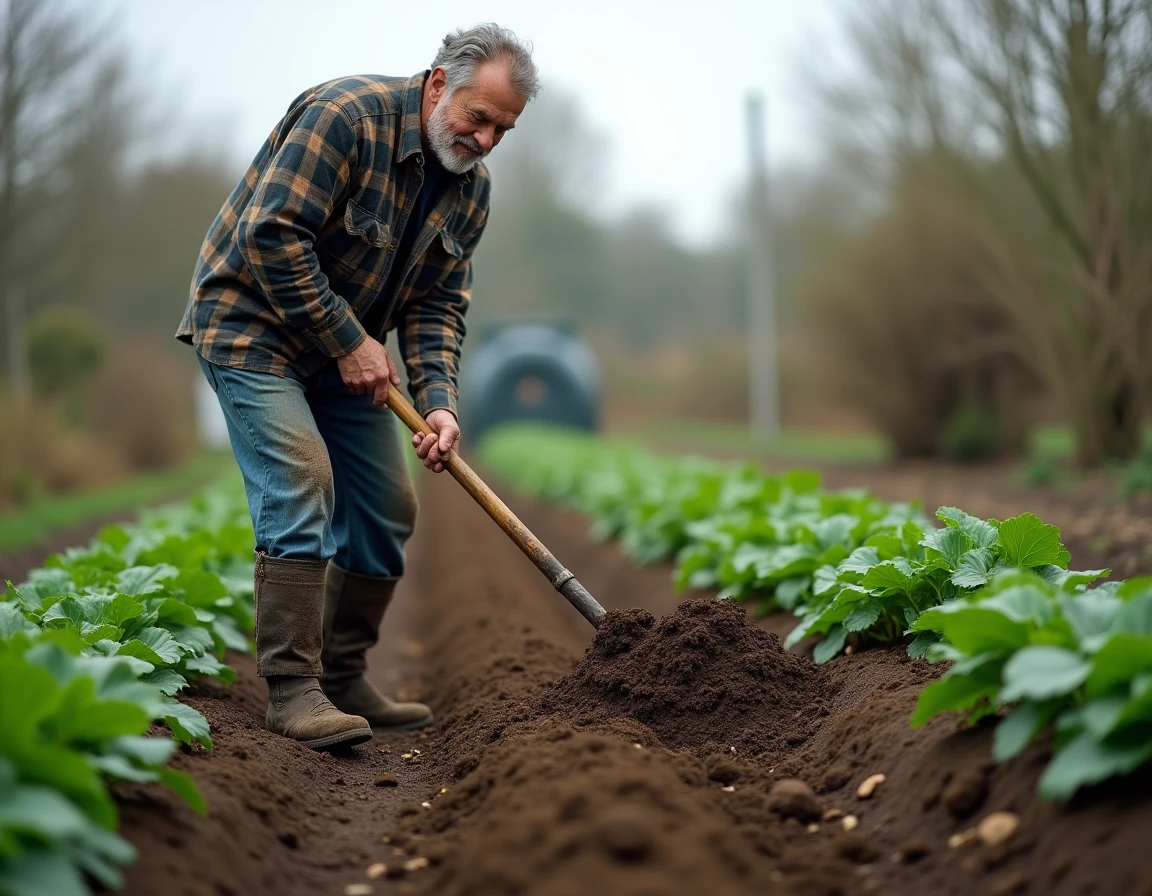
Not all plants react the same way to an amendment rich in fibrous organic matter. Heavy-feeding crops (squash, tomatoes, cabbages) fully benefit from a horse manure application, provided it has been applied well in advance of planting to avoid any risk of root burn.
Root vegetables (carrots, parsnips) present a particular case. Insufficiently decomposed manure causes forked roots and deformities. We recommend reserving the beds amended with dehydrated manure for the following year’s crops for these species, or using only pre-composted manure.
For fruit trees and small fruit shrubs, a surface mulch application in autumn constitutes effective base fertilization. The manure decomposes over the winter and gradually enriches the root zone without mechanical intervention.
- Squash, zucchini, and pumpkins: direct application possible in the autumn preceding the crop
- Tomatoes and eggplants: autumn application or incorporation at the end of winter, never in direct contact with the roots at transplanting
- Strawberries and raspberries: surface mulching at the foot of the plants in October
- Carrots and turnips: grow on a bed amended the previous year
Lidl’s horse manure, due to its dehydrated format and ease of storage, is well-suited for gardeners who do not have direct access to an equestrian center. Its added value lies less in its richness in pure nutrients than in its structuring action on the soil and its ability to revive biological activity when applied correctly and at the right time.