A garden flower is primarily defined by its ability to grow, bloom, and thrive in a given soil and climate. Beauty comes afterward. With increasingly hot summers and growing watering restrictions in several French departments, the choice of flowers for a garden can no longer rely solely on appearance. Soil, drainage, exposure, and water efficiency form the foundation of any sustainable selection.
Well-drained soil and mulching: the basics before choosing a flower
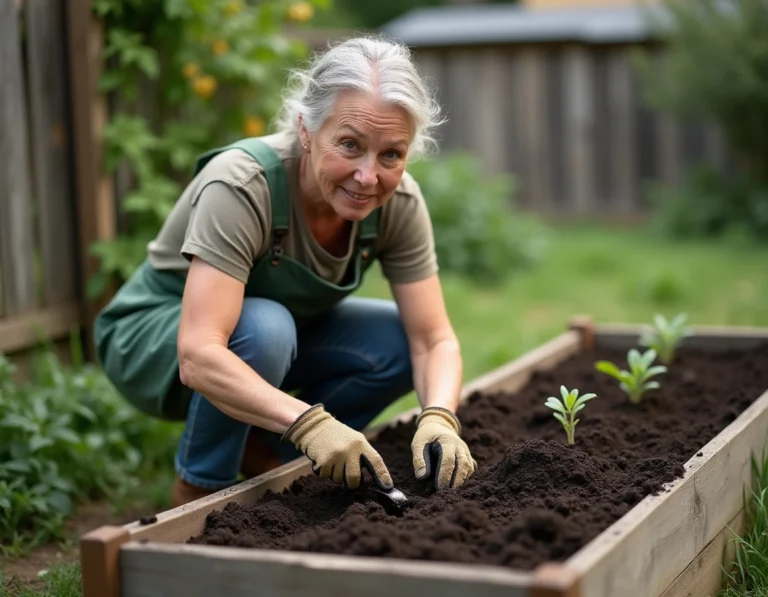
Before browsing a catalog of varieties, the first question concerns the soil. A well-drained soil prevents root asphyxiation and limits fungal diseases, especially in winter. Compact clay soils retain water on the surface, drowning rhizomes and bulbs. Adding gravel or coarse sand in the top few centimeters is often enough to correct this issue.
Mulching plays a complementary role. A layer of organic material (straw, wood chips, dead leaves) reduces evaporation, keeps the soil cool in summer, and nourishes microbial life. For plants like iris, tansy, or lavender, this drainage-mulching duo replaces most summer watering once rooting is established.
Choosing from the flowers on Une Fleur Un Jardin allows you to identify varieties suited to these soil and exposure constraints before planting.
Drought-resistant flowers for a water-efficient garden
Resilience to water stress has become a selection criterion at least as relevant as color or flower shape. Several species, well-known to gardeners in southern France, also adapt to gardens in the center and north as heat episodes lengthen.
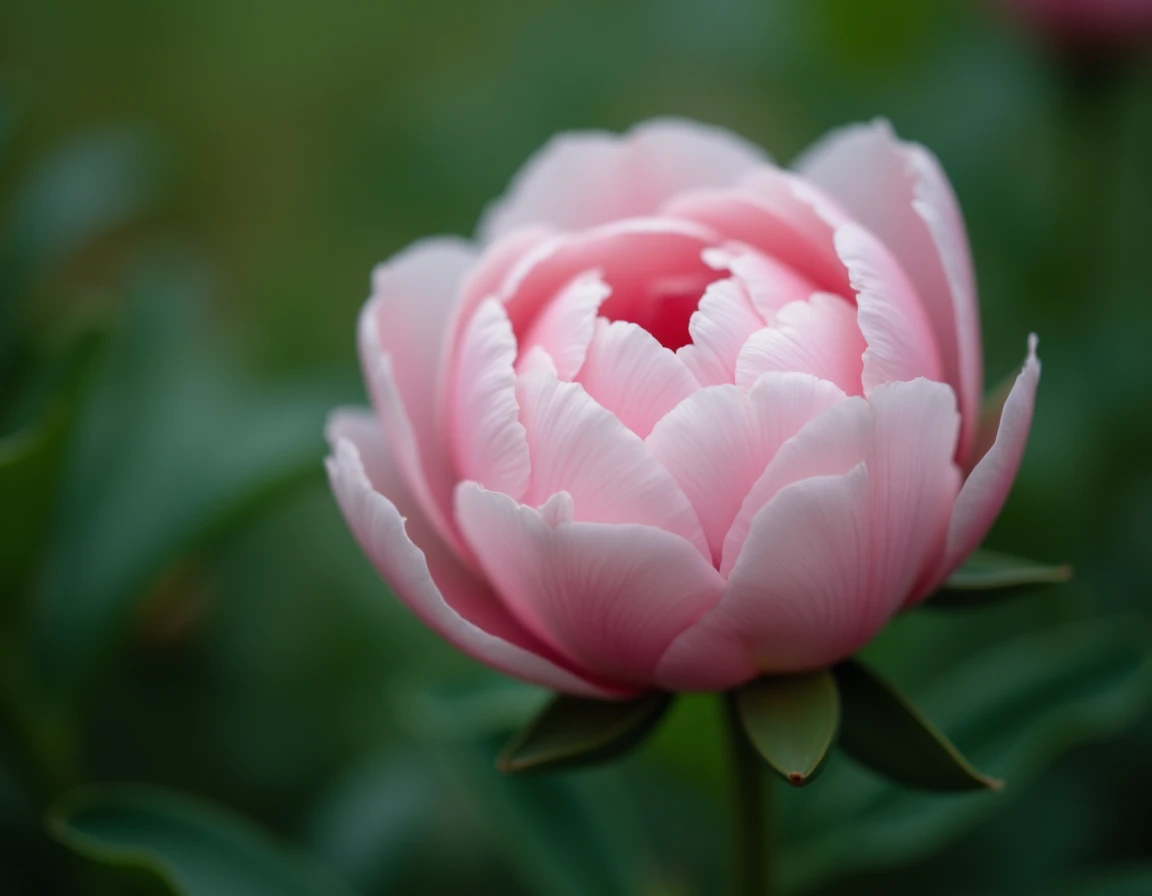
- Lavender (Lavandula angustifolia) tolerates dry calcareous soils and requires almost no watering after the first year. Its mauve flowers attract pollinators from spring until the end of summer.
- Tansy (Tanacetum vulgare) grows in poor soil, withstands drought, and produces bright yellow buds used as a natural repellent against certain insects. It self-seeds easily, sometimes too much.
- Garden iris, provided its rhizomes are near the surface and receive several hours of direct sunlight per day, can tolerate weeks without rain. Dividing clumps every three to four years rejuvenates flowering.
- Gaura (Oenothera lindheimeri) offers airy white or pink blooms from June to October with minimal watering. It adapts to most soils as long as they drain properly.
These plants share a common trait: they store water in their roots or limit leaf transpiration thanks to adapted foliage (narrow, waxy, or aromatic leaves).
Combining colors and blooms from spring to autumn
A garden that remains in bloom for several months relies on staggered blooming periods, not on a multitude of species. Three to four well-chosen varieties can cover the entire season.
In spring, bulbs take over from the last frosts. The tulip, planted in autumn in light soil, kicks off the season as early as March in mild regions. It requires little water at this stage, as spring rains are usually sufficient.
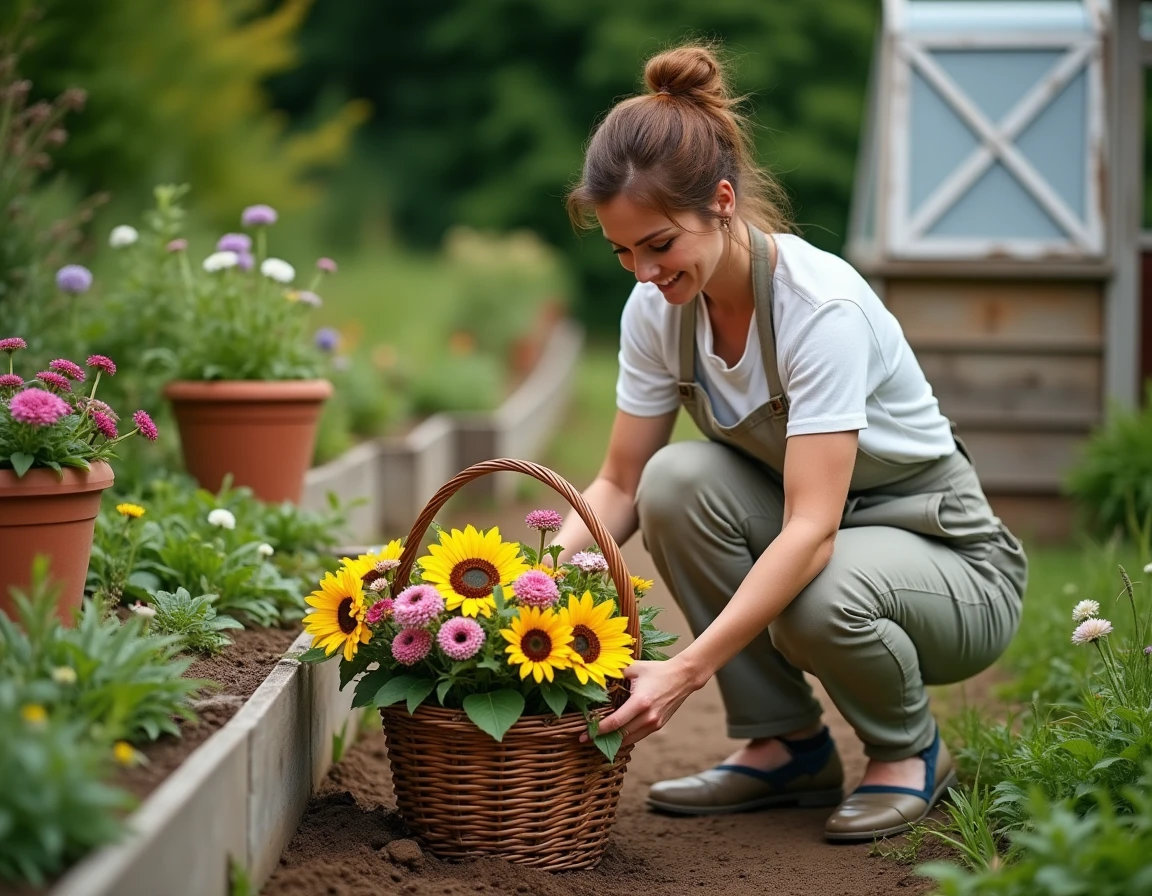
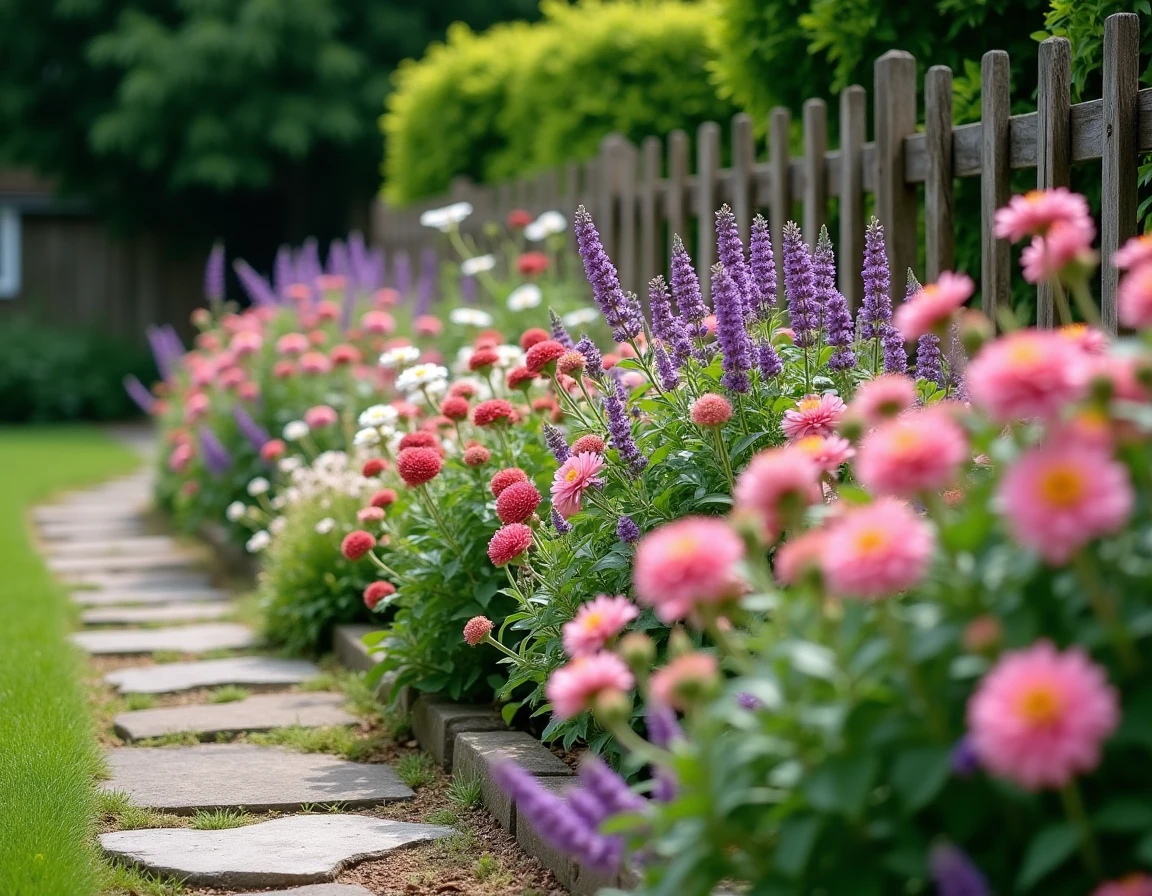
At the beginning of summer, iris and lavender ensure the transition. Their purple, blue, or white shades combine in beds without root competition, as iris prefers dry soil while lavender also tolerates stony soils.
From July onwards, water-efficient flowers take over. Gaura, purple coneflower, or shrub sage bloom until the first autumn frosts. Their foliage withstands heat without yellowing, provided they are not overwatered.
The goal is not to fill every square meter. A bed of three species with successive blooms creates a more coherent effect than a mosaic of ten plants with contradictory needs.
Local flowers and short supply chains: a coherent gardener’s choice
The French floral sector increasingly values local and seasonal flowers to reduce environmental impact. This movement concerns not just bouquets: it also influences the choice of garden plants.
Buying plants produced in regional nurseries offers a direct advantage. These plants have been grown in a climate similar to that of their destination garden. Their acclimatization is quicker, and their survival rate is higher than that of plants grown in heated greenhouses thousands of kilometers away.
For a garden located in a temperate oceanic zone, local perennial plant varieties (yarrow, catmint, valerian) will profitably replace water- and fertilizer-hungry imported annuals. A garden planted with local perennials requires less maintenance each year.
This reasoning also applies to indoor flowers. A cyclamen produced in France at the right time of year will last longer than a specimen forced under artificial light and shipped by air.
Planting advice according to garden exposure
Exposure is as crucial to success as soil type. A bed facing full south is not planted the same way as a shaded border at the foot of a north wall.
- Full south (more than six hours of direct sunlight): iris, lavender, sage, gaura. The soil heats up quickly, and mineral mulching (gravel, pumice) limits root overheating.
- Partial shade (three to five hours of sunlight): perennial geranium, heuchera, astrantia. These plants bloom well with partial sunlight and tolerate cooler soil.
- Dense shade (less than two hours of sunlight): ferns, hostas, brunnera. Flowering is secondary here, but the decorative foliage compensates significantly.
Planting in the right place avoids most failures. A flower suited to its exposure grows without forcing or compensatory watering.
The most successful garden is not the one that accumulates the most varieties, but the one where each plant thrives in the conditions provided. Focusing on well-prepared soil, water-efficient species, and locally sourced plants remains the strongest foundation for a bed that lasts, even through the driest summers.