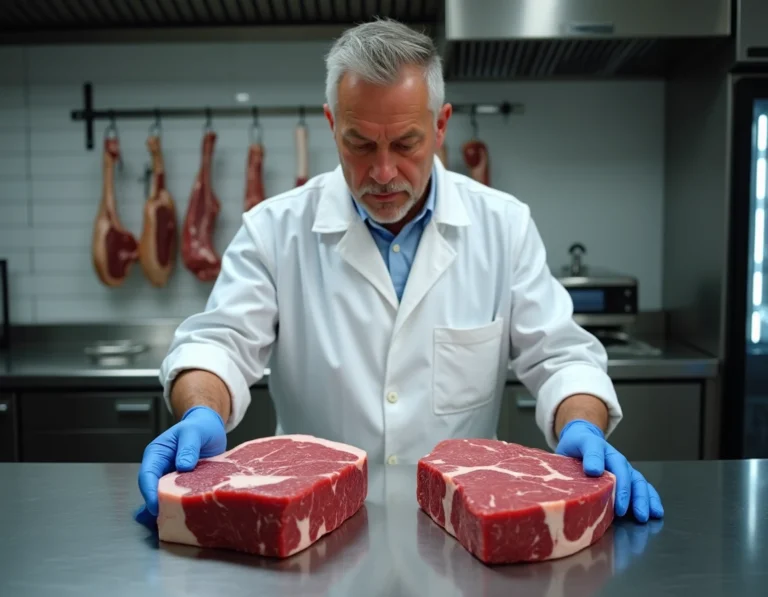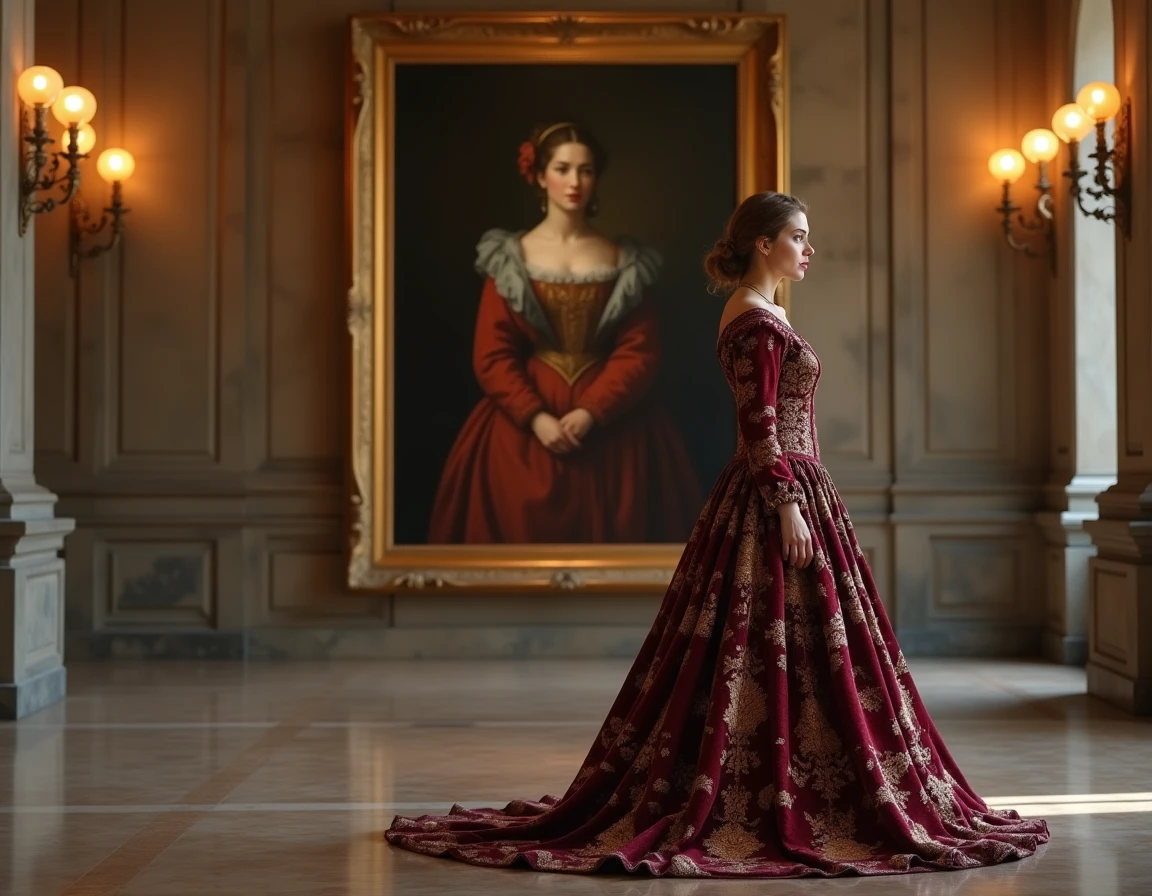
A woman with generous curves painted by Rubens in the 17th century would be judged very differently on a fashion runway in 2025. The criteria for female beauty are not set in stone: they transform with the beliefs, economies, and visual technologies unique to each society. Understanding these changes is to grasp what each era projects onto women’s bodies.
Digital filters and cultural tensions: what shapes female beauty today
Before we go back in time, a detour through the present helps to set the stage. Have you ever noticed that the faces highlighted on TikTok look different from those valued on Instagram or Pinterest?
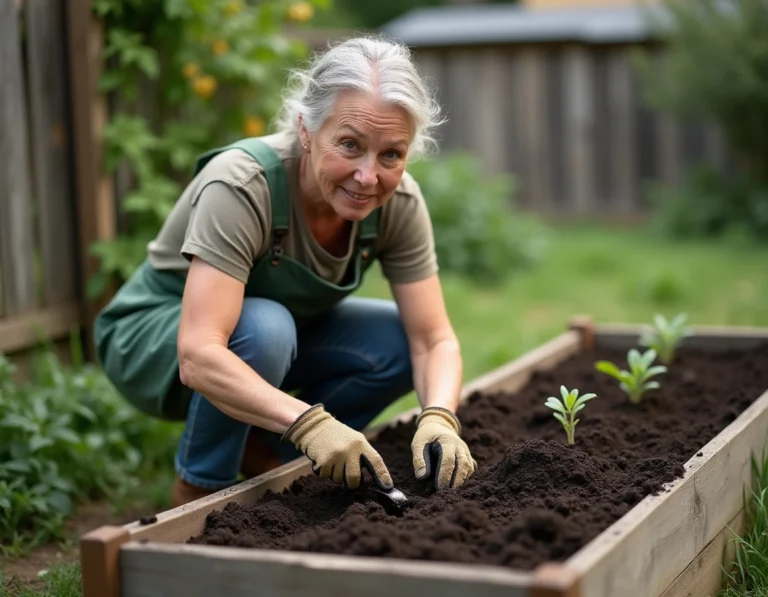
On TikTok, filters enhance very young, symmetrical, and “baby face” features. Childlike traits (big eyes, small nose, smooth skin) dominate the trends. On some Instagram and Pinterest communities, the dynamic reverses: movements like “pro-age” or “silver beauty” celebrate gray hair, visible wrinkles, and embraced signs of aging.
This fracture is both generational and media-related. Each platform produces its own beauty standards, sometimes contradictory to one another. The result: a woman can fit an ideal on one network and completely diverge from it on another.
In East Asia, the tension takes a different form. In South Korea, China, and Japan, non-invasive aesthetic procedures aimed at modifying certain features have seen notable growth since the early 2020s. At the same time, local cosmetic brands are showcasing models with more “native” features in their campaigns, featuring round faces and less whitened skin.
Exploring the criteria of female beauty in their diversity allows us to measure the extent of these contemporary paradoxes.
Skin, silhouette, makeup: three markers of beauty through the ages
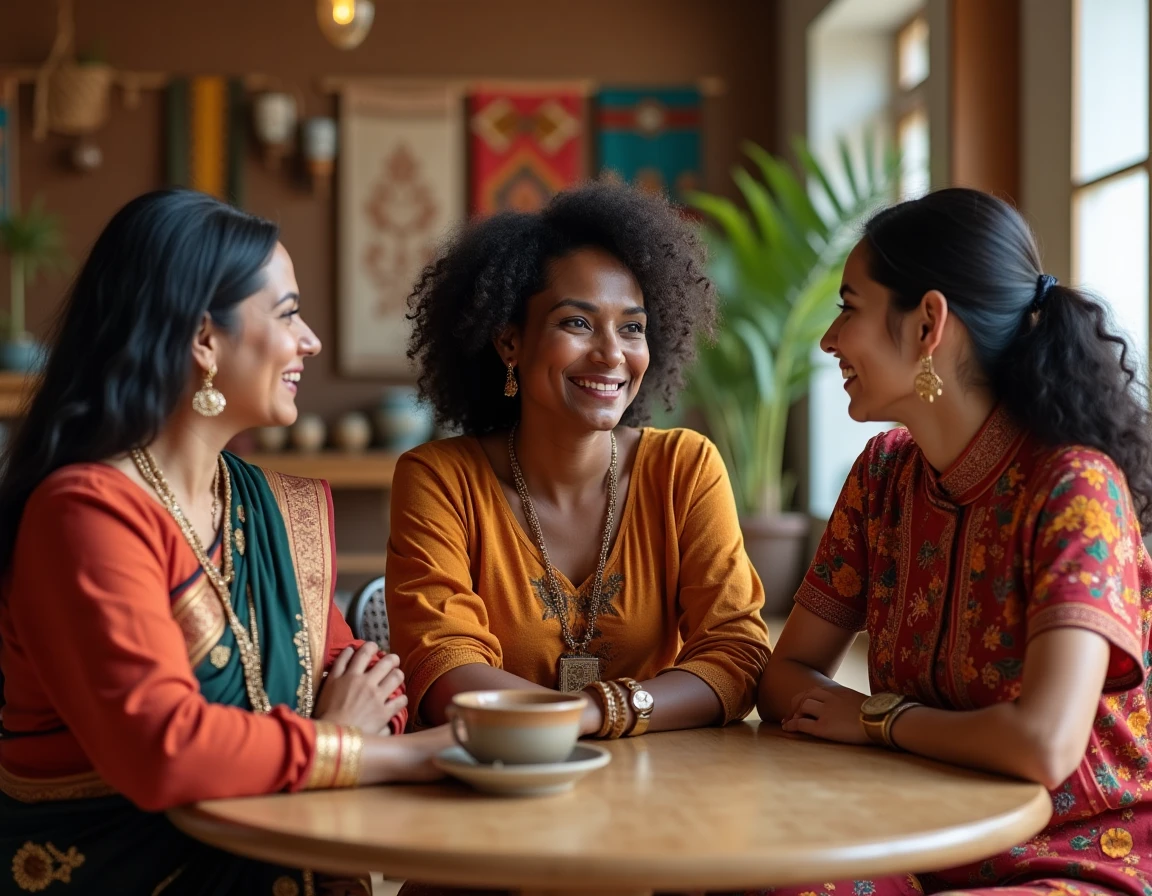
Rather than laying out a complete timeline, let’s focus on three elements of the female body whose significance has radically changed over the centuries and cultures: skin, silhouette, and makeup.
Skin color, a mirror of social hierarchies
In ancient Egypt, well-groomed and hydrated skin (thanks to scented oils) signaled a high status. In Greece and then Rome, pale skin distinguished wealthy women, who did not need to work in the sun. This association between light skin and social rank has persisted through the European Middle Ages and still exists in some regions of Asia.
The shift occurs in the 20th century in the West. With paid vacations and beach fashion, tanning becomes a sign of leisure and health. The same physical characteristic (complexion) changes in value depending on the economic context.
The silhouette: from volume to slimness, then back to curves
During the Renaissance, painters depicted women with wide hips and thick waists. Generous shapes conveyed fertility and prosperity. In the 19th century, the corset imposed a slim waist, sometimes at the cost of health. The 1920s turned everything upside down: the ideal silhouette became androgynous, the bust flattened, and hair cut short.
Thinness as the dominant norm truly established itself in the 1960s, propelled by models like Twiggy. This standard remained influential for several decades. Since the late 2010s, a counter-movement has emerged, with greater visibility of bodies of varied sizes in fashion and advertising.
Makeup: between protection, seduction, and identity
Egyptian kohl was primarily used to protect the eyes from the sun and infections. Greek women made masks from honey and flour. Under Louis XIV, makeup became a courtly art: wigs, beauty spots, white powder on the face.
- In ancient Egypt: makeup is both functional and aesthetic, henna colors nails and hair
- In classical Europe (17th century): it serves to display rank, codifying court membership
- In the 20th century: it accompanies female emancipation, with the emergence of lipstick as a gesture of affirmation in the 1920s
- Today: it oscillates between hyper-digital correction (filters, contouring) and “no makeup” movements advocating for a bare face

Recent laws and norms: when states regulate the representation of the female body
A rarely addressed angle in articles about the evolution of beauty: the role of national legislations in transforming standards. Since the late 2010s, several countries have adopted laws that concretely modify the representation of the female body in the media.
France, for example, mandates the label “retouched photograph” on advertising images where the model’s silhouette has been digitally altered. Other European countries have strengthened transparency requirements regarding retouching in advertising and fashion.
These measures do not change individual tastes overnight. Their effect is indirect: they alter the visual landscape to which the public is exposed. Fewer retouched bodies in advertising eventually recalibrates the collective perception of what is “normal”.
Social media and female beauty: a decentralized norm
Before the internet, beauty standards were disseminated through a limited number of channels: magazines, cinema, television. Editors and casting directors played a central filtering role.
Social media have redistributed this power. Any user can propose an alternative ideal and rally a community around it. The result is not a single standard replaced by another, but a coexistence of multiple norms, sometimes incompatible.
- The “body positive” movement values all body types and critiques thinness as an exclusive norm
- The “clean girl” trend on TikTok imposes a highly codified minimalism that demands flawless skin
- “Pro-age” communities celebrate natural aging and reject anti-wrinkle injunctions
These three currents coexist on the same platforms, just a few clicks apart. Female beauty has never been so fragmented, nor so accessible to contestation.
What distinguishes our era from previous ones is not the emergence of new beauty criteria. It is the speed at which these criteria form, spread, and are contested. A standard that took a century to establish can today emerge and dissolve in a matter of months, at the pace of algorithms.