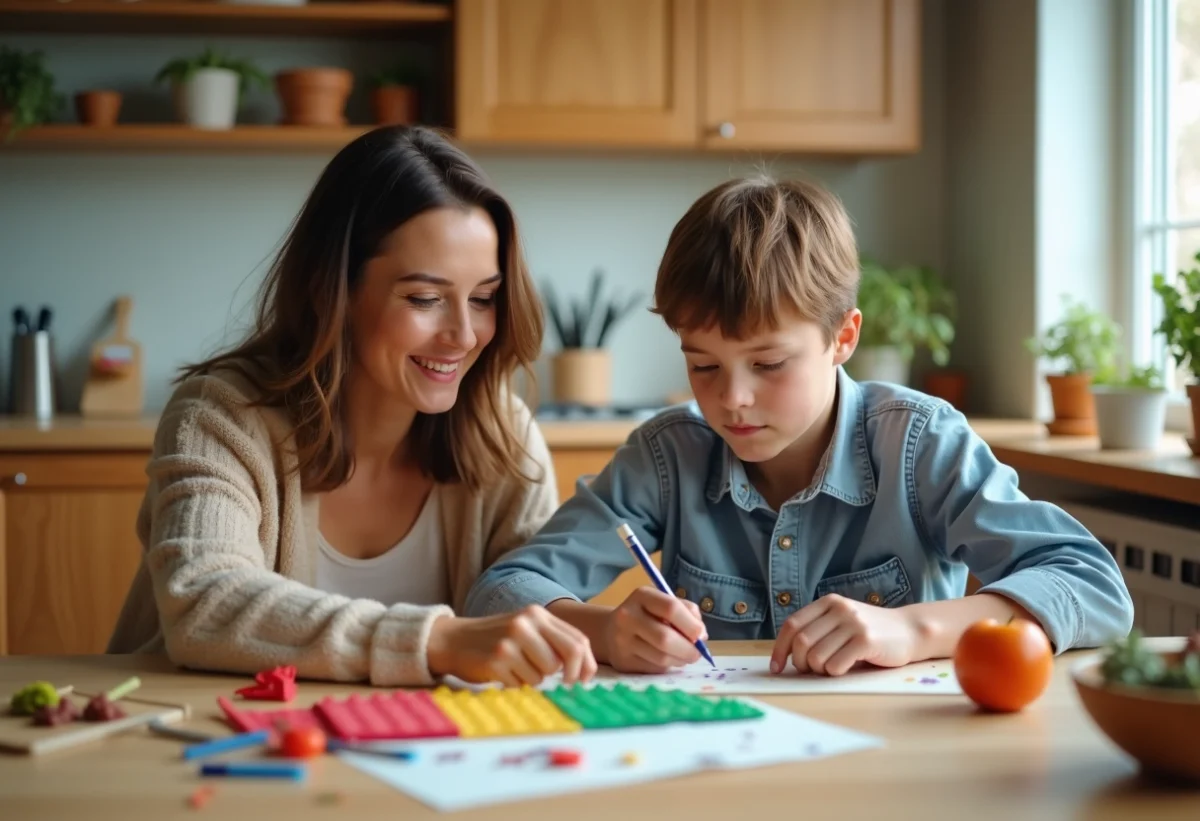
Ignoring a child’s difficulties in learning increases the risk of school dropout, even when parents are present and invested. However, excessive or misdirected involvement often generates the opposite effect of what is sought, hindering autonomy and motivation.
Recent studies show that the balance between support and freedom remains precarious, with each family seeking reference points in a constantly evolving educational context. Adapting parenting practices to the specific needs of each child thus becomes a central issue for promoting success and well-being throughout the school journey.
Understanding the essential needs of the child to foster their development
Observe, listen, adjust. Three verbs, a guiding principle to support your child on the path to confidence and growth. It is impossible to grow without clear support points: each child has their own reference points, expectations, and pace. They want to feel safe, explore, be recognized, and test their limits. The parent, often in search of the right posture, must learn to read these needs to support the child on all fronts: emotional, reflective, and relational.
The family climate is the foundation. A calm environment, rituals, and open dialogue: this is what allows the child to express themselves, take their place, and move forward. Neuroscience reminds us: a child progresses better if they feel welcomed in their emotions, encouraged in their efforts, and respected in their initiatives. This is where self-esteem is built. A solid framework, reference points, and an attentive ear: these ingredients develop their social and emotional skills.
Parental support with Concept Enfance offers a personalized approach centered on listening and adjustment. No one-size-fits-all recipe: we adapt to each child, identify their needs, and support their autonomy. Parents find new avenues to strengthen family bonds, stimulate curiosity, and instill a desire to learn and progress.
Here are three concrete areas to implement for a vibrant parental support:
- Recognize emotions to support emotional development
- Stimulate exploration and creativity, drivers of cognitive development
- Encourage interactions, essential for social development
Creating a serene climate, establishing reference points, and valuing social skills are all levers for active, flexible parenting focused on the future. The child evolves, and so does the support. Reference points shift, and the parental posture must follow, without rigidity or guilt.
How to establish a climate of trust and encourage autonomy in daily life?
To build trust, one must first see the child as they are: with their needs for security, listening, and their own pace. A promise made must count. When a parent keeps their commitments, the child discovers a solid framework conducive to trust and self-esteem. A non-judgmental dialogue allows the child to express their feelings and put words to what they are experiencing. Communication is not automatic: it is learned, built, and cultivated day by day.
Encouraging autonomy does not mean leaving the child alone with their choices. It involves offering responsibilities that are appropriate to their level: tidying up their things, helping to prepare a meal, choosing their clothes. These small daily tasks are great springboards for self-confidence. Positive psychology encourages valuing every effort, not just the result. A word of encouragement, a simple approving glance: the child takes ownership of their successes and learns to bounce back from failure.
Here are some concrete ideas to anchor this dynamic in daily life:
- Offer progressive household tasks to encourage initiative
- Listen without interrupting to nurture self-esteem and strengthen the relationship
- Value every progress, no matter how small
It is in this alliance between adults and children that trust is forged. Everyone finds their place, and the tools to support the child naturally fit into the family routine. Step by step, the child progresses: they feel capable, assert themselves, and learn to take on responsibilities at their level.

Resources and concrete advice for supporting academic success with kindness
The school journey sometimes resembles a series of challenges, discreet victories, and voids. Success is not just a collection of grades: it is also the ability to learn, progress, and remain curious. To help the child find their balance, parents can create a calm space, organize time, and remain available to discuss the school day.
Dialogue, once again, makes all the difference. Prioritize open-ended questions: “What did you learn today?”, “Where are you facing difficulties?”. This attentive listening values efforts and nurtures self-esteem. Rather than demanding results, it is better to highlight progress and encourage perseverance. The child moves forward when they feel understood, supported, and never isolated in the face of mistakes.
To support progression, several levers are worth exploring:
- Establish shared reading times to expand vocabulary and critical thinking
- Encourage regular breaks to respect the child’s rhythm and avoid saturation
- Involve the child in organizing their homework to develop their sense of responsibility
Support extends beyond the walls of the home. Maintaining regular contact with teachers, participating in meetings, and following the school report: these actions anchor success in continuity. When parents, teachers, and children share the same direction, flourishing is no longer a distant horizon but a shared path, marked by concrete reference points and renewed momentum. Trust, curiosity, and the desire to learn: this is the winning trio for preparing for tomorrow.